
Zero Empty Spaces: Activating Vacancy
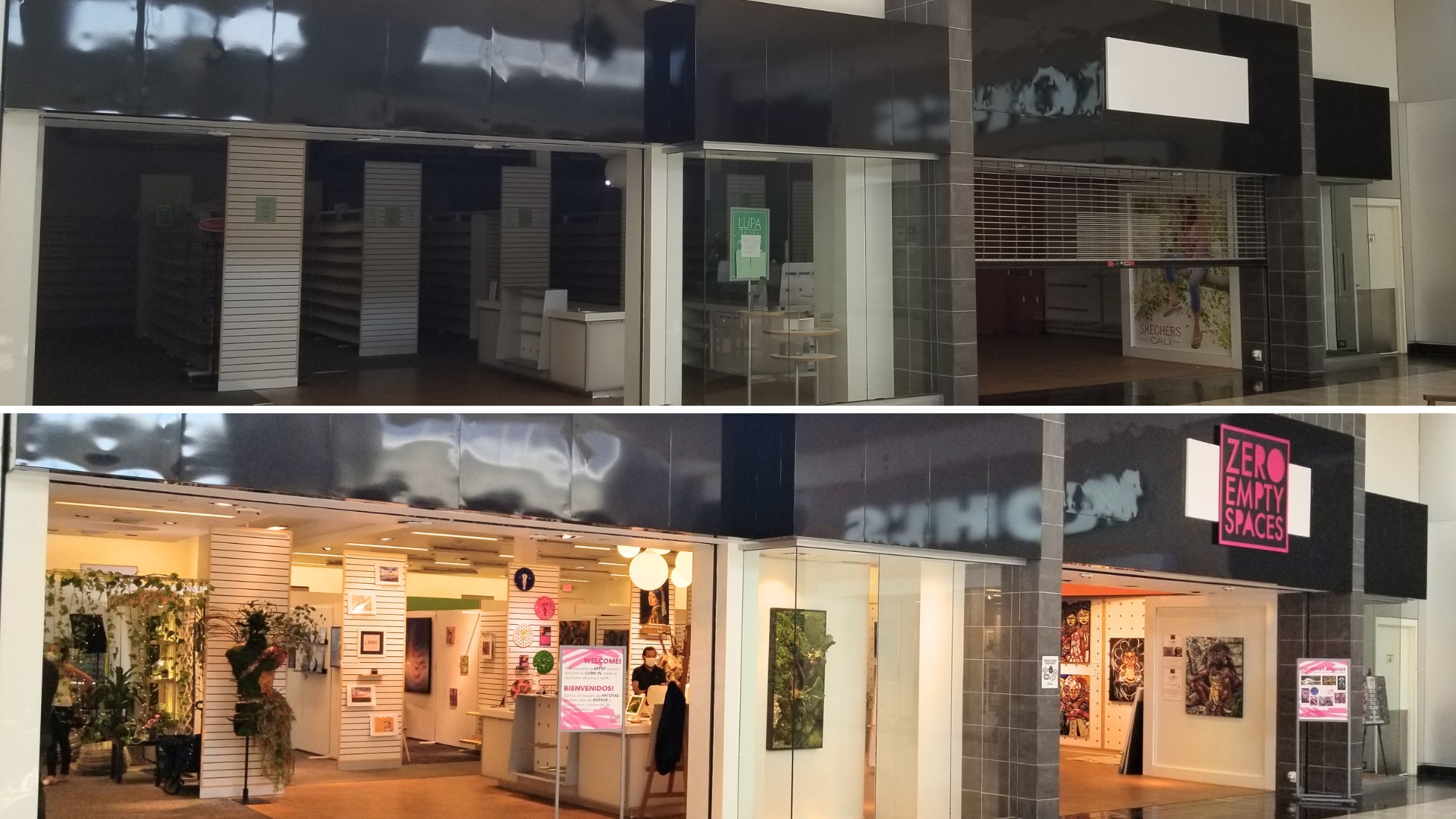
Vacant storefronts affect more than real estate.
When commercial spaces sit empty for long periods of time, they can change how a place feels. Empty windows reduce foot traffic, weaken street-level activity, and make corridors feel less welcoming for residents, workers, visitors, and neighboring businesses.
Zero Empty Spaces was created to intervene in that gap.
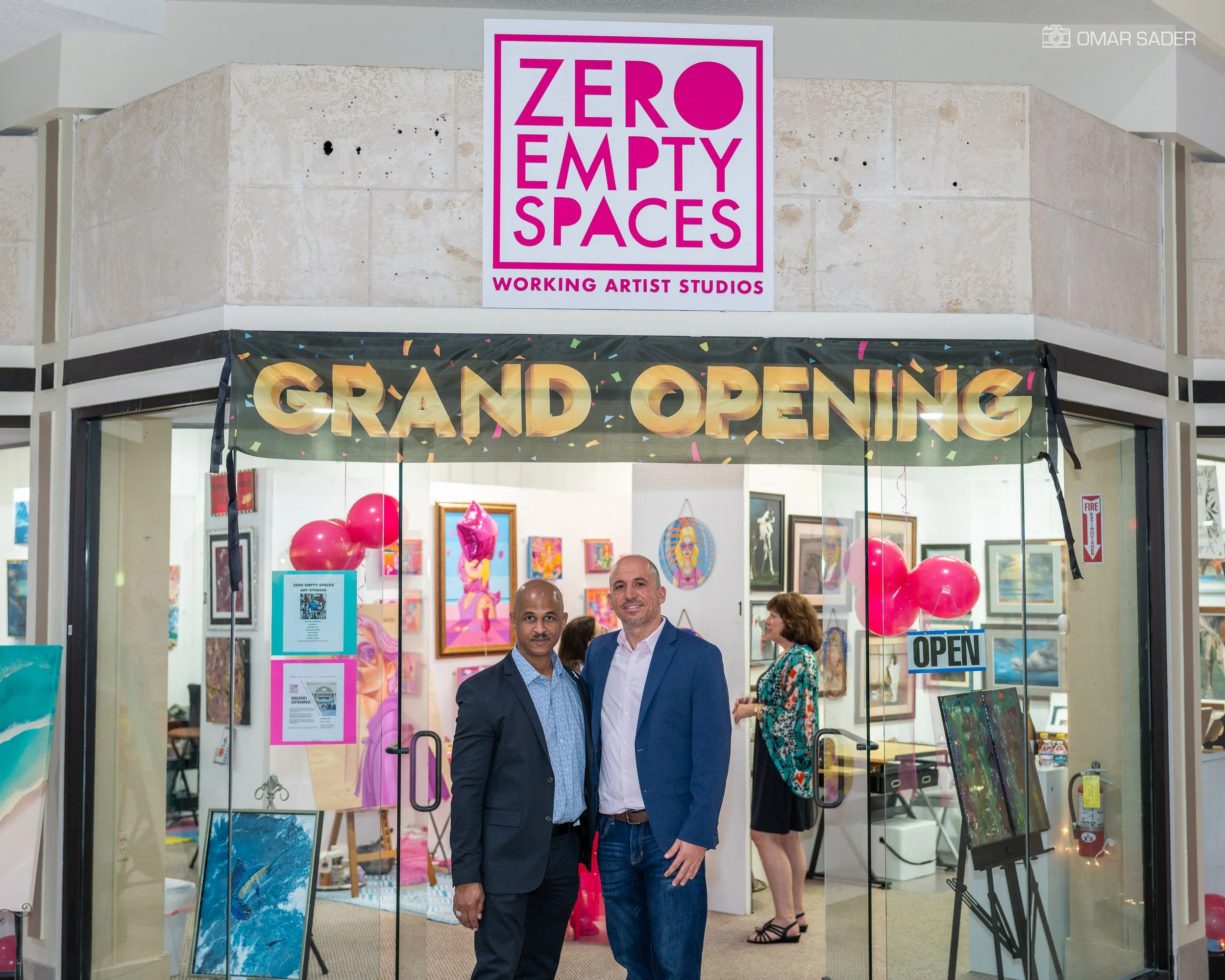
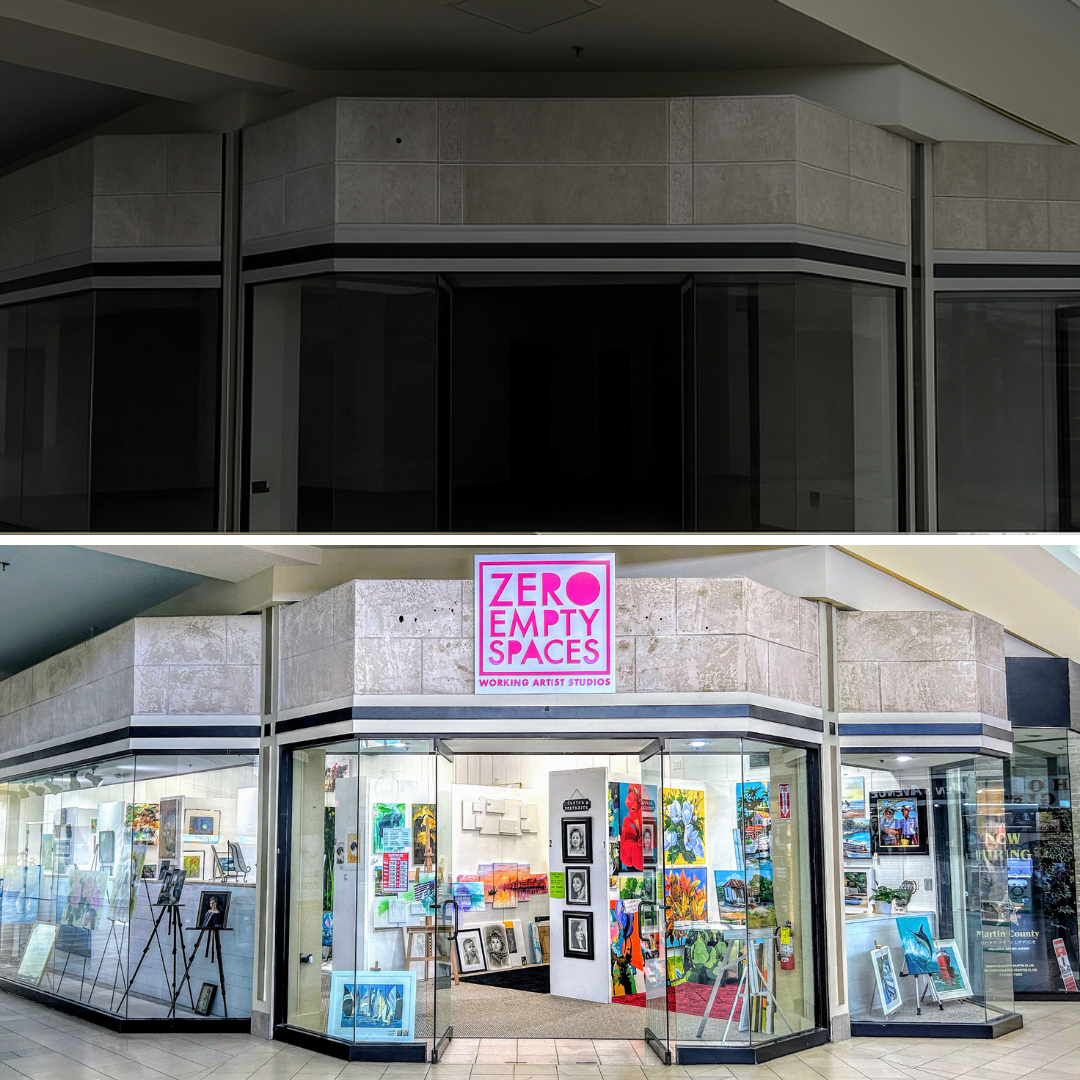
Founded by Evan Snow, Zero Empty Spaces is an interior placemaking venture that transforms vacant commercial spaces into affordable working artist studios and other creative uses through short-term activations.
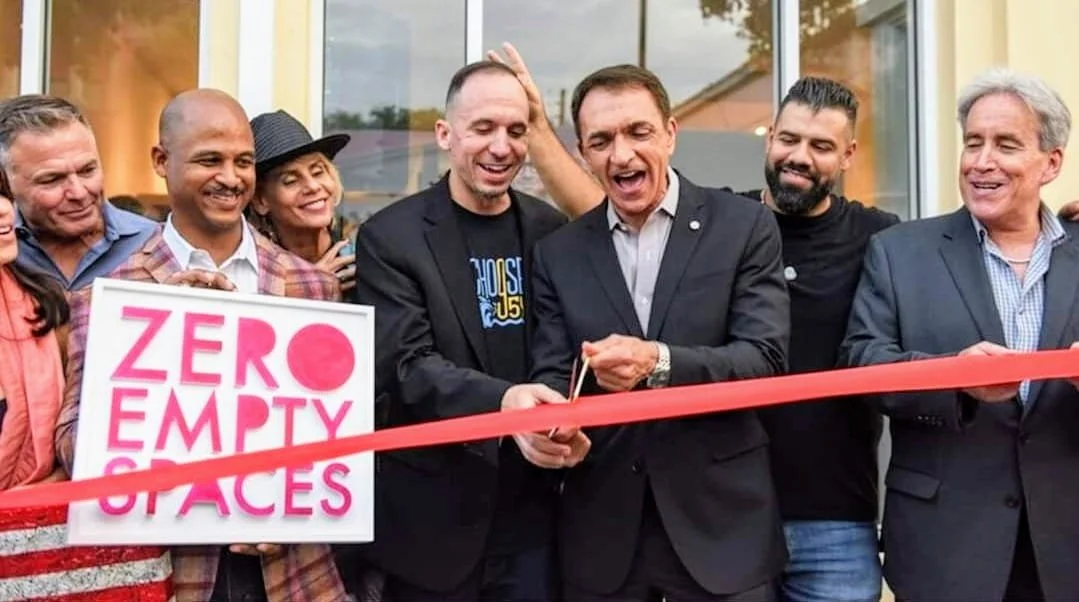
Since launching in 2019, Zero Empty Spaces has activated 33 formerly vacant properties across four states and welcomed more than 850 artists into its program.
Activating Vacancy Through Artists
Zero Empty Spaces operates through a simple, repeatable model.
The venture partners with property owners, developers, municipalities, community redevelopment agencies, and downtown organizations to temporarily activate vacant spaces using local artists as tenants.
Artists are selected through an inclusive application process and receive affordable studio space on flexible month-to-month terms at below-market rents. Utilities are included, buildouts are light-touch, and activations can launch in weeks rather than months.
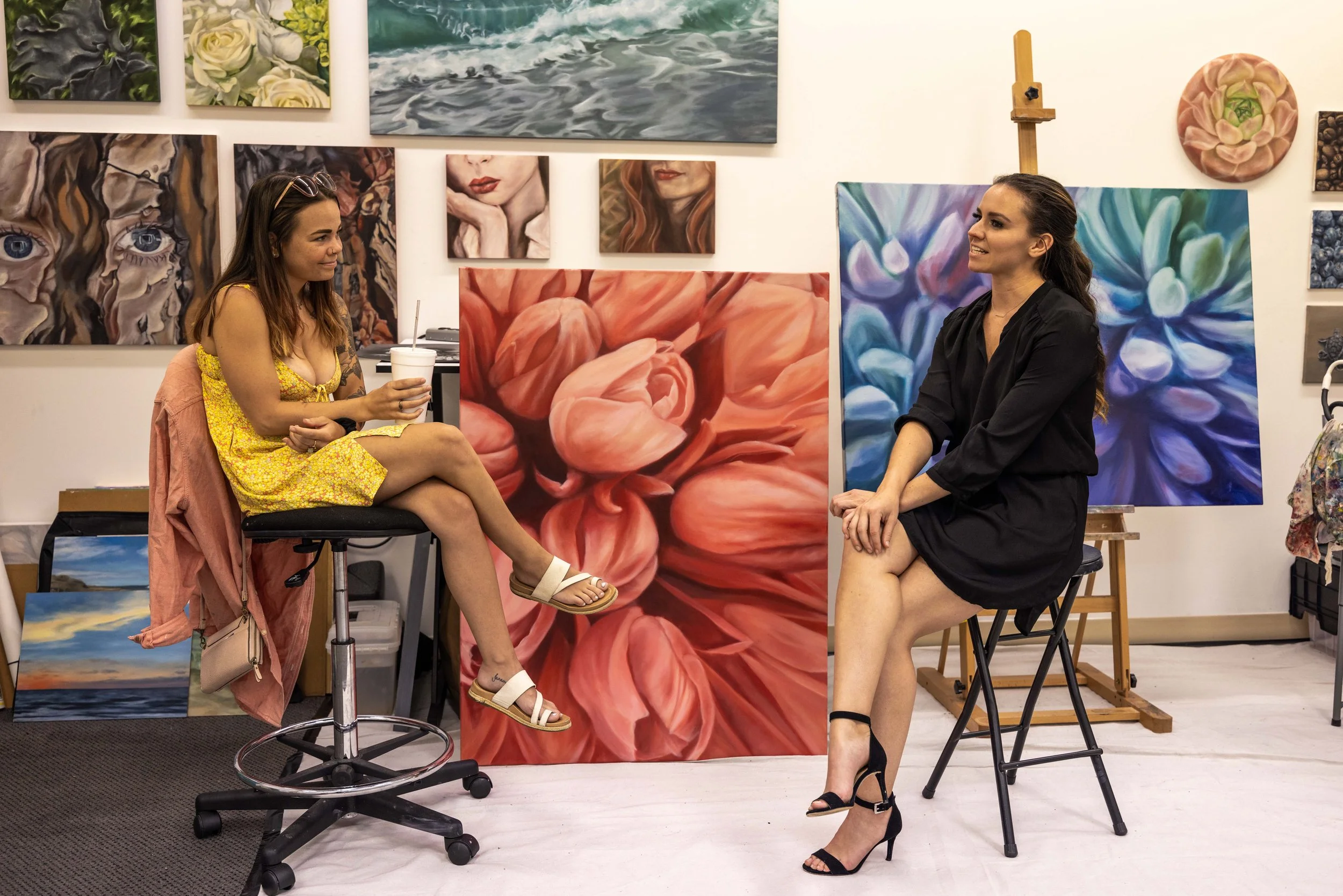
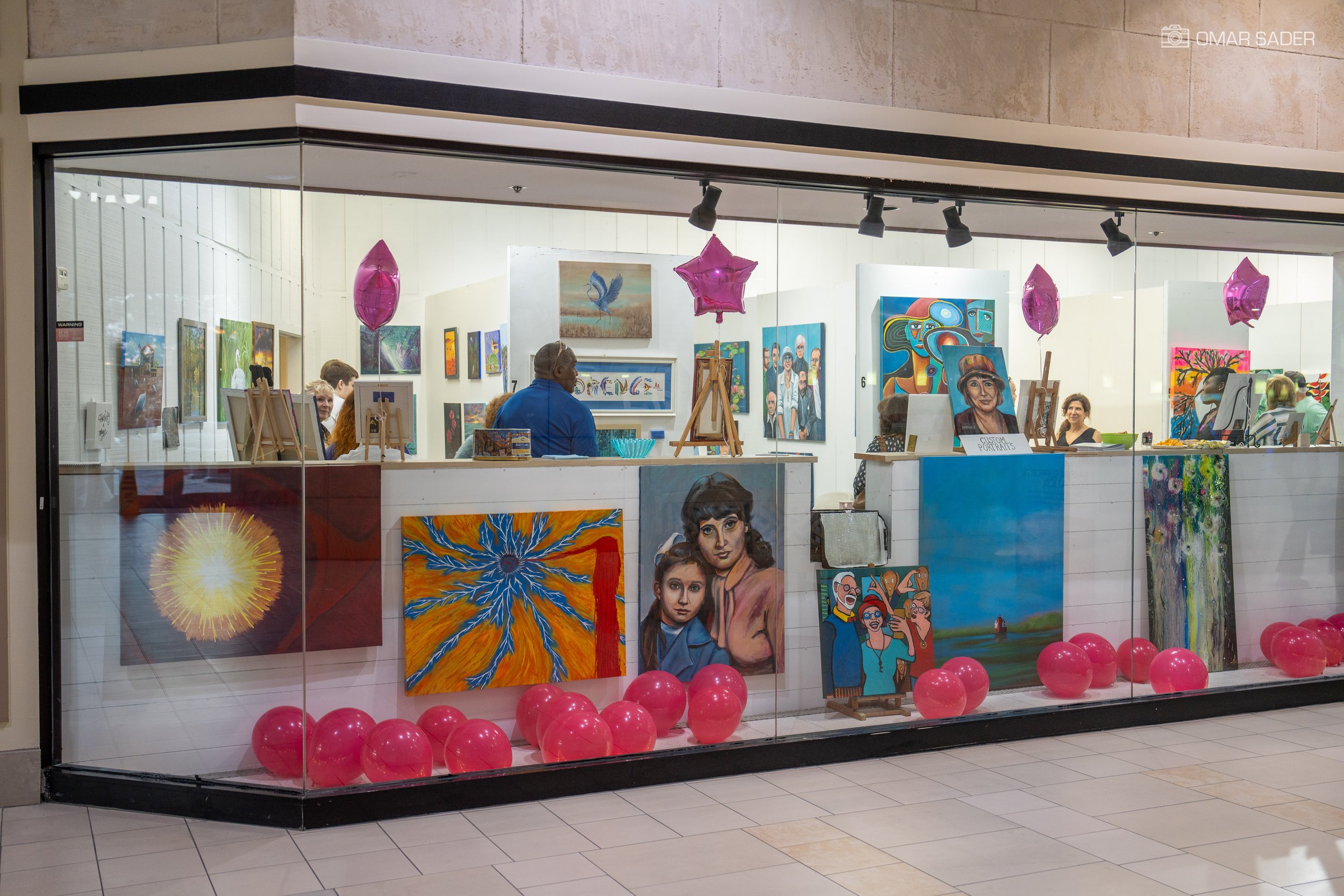
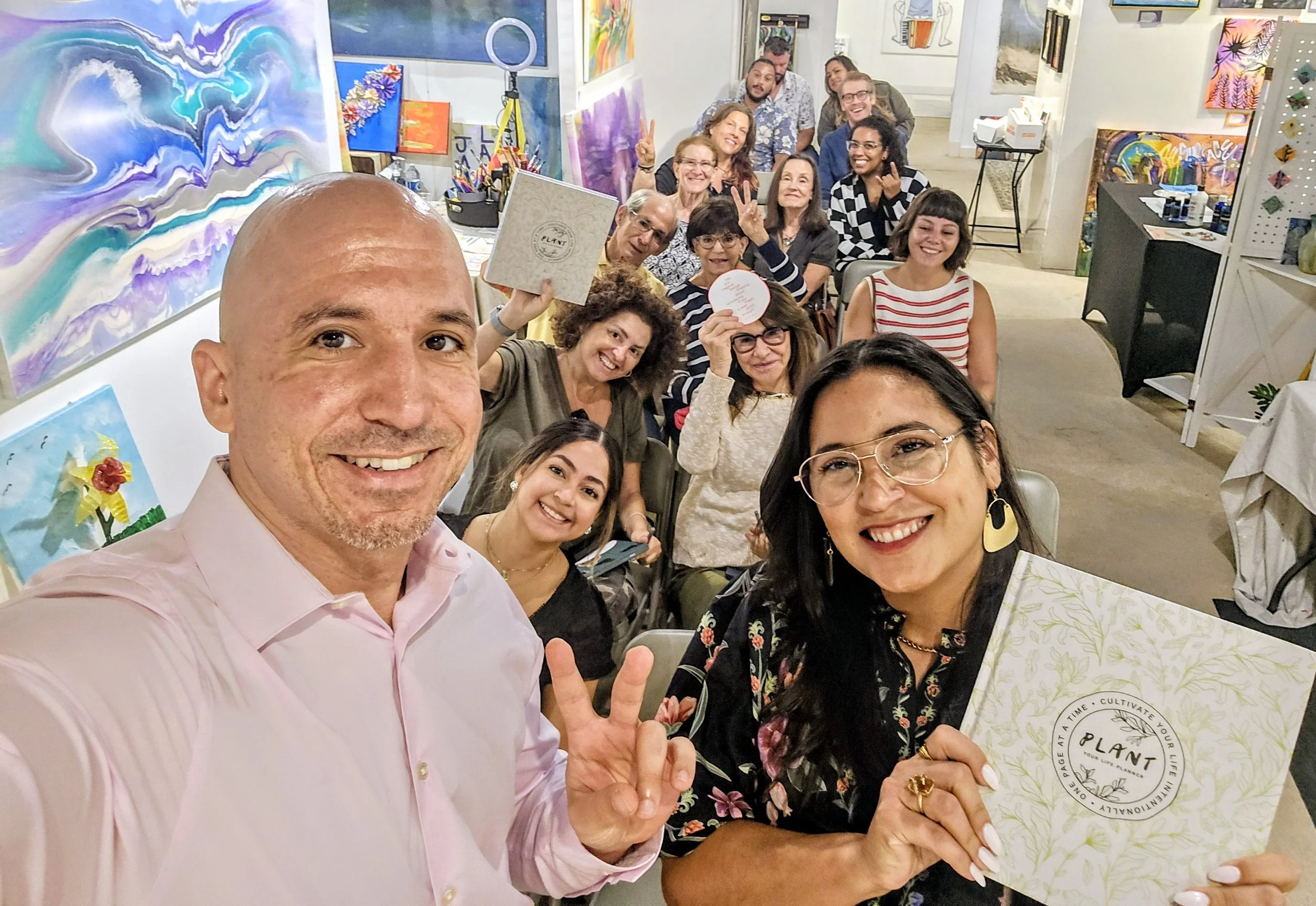
Once active, these spaces become working studios where artists create, collaborate, and engage with the surrounding community.
They are not galleries or one-time pop-ups. They are active, day-to-day studios where artists are present, doors are open, and the public can experience creativity happening in real time.
Strengthening Everyday Community Life
The impact of vacancy often shows up before it becomes a financial issue.
For residents and visitors, empty storefronts can make a corridor feel inactive or disconnected. For neighboring businesses, they can reduce reasons for people to linger, explore, and return. For property owners and cities, long-term vacancy can weaken confidence in an area while longer-term leasing or redevelopment plans are still underway.
Zero Empty Spaces offers a practical interim solution.
By bringing artists into vacant spaces, the model creates visible activity, increases reasons for people to visit, and helps restore energy to commercial corridors.
For artists, the value is also significant. The program offers accessible workspace without long-term lease risk, along with an opportunity to be discovered and sell work in a retail environment with no commission taken by Zero Empty Spaces.
For communities, it creates a new way to encounter local artists in places where people already live, shop, and gather.
A Tool for Cities and Property Partners
Zero Empty Spaces does not position itself as a permanent tenant or a replacement for market-rate leasing.
Instead, the model functions as interim activation infrastructure. Studios operate until a permanent tenant is secured or redevelopment begins. Some activations last 18 to 36 months, while others continue for more than five years as an amenity for the property, residents, and surrounding community.
Through years of hands-on deployment, Zero Empty Spaces has developed an operating framework that includes artist onboarding, space layout, insurance guidance, programming cadence, and daily operations.
That operational credibility has helped the model scale across multiple geographies while maintaining strong demand from both artists and partners.
What They’re Testing Through Rally
As part of the Rally Fellowship, Zero Empty Spaces is focused on sharpening and testing what cities care about most: measurable, place-based outcomes.
While the program has already generated strong anecdotal evidence, the next phase is about aligning activations with municipal decision criteria.
Through Rally, Zero Empty Spaces is designing city-aligned pilots that establish baseline conditions and measure changes in indicators such as foot traffic, perceived safety, and activation frequency.
The learning question is clear: does sustained artist-studio activation measurably improve the daily experience of a place in ways that matter to cities and residents?
Just as important is the alternative question: what is the cost of doing nothing?
By treating pilots as learning vehicles, Zero Empty Spaces aims to strengthen the case for vacancy activation as a credible, low-risk tool within broader economic development and placemaking strategies.
What’s Next
Looking ahead, Zero Empty Spaces is focused on partnering with city stakeholders, community redevelopment agencies, downtown organizations, and property partners seeking practical ways to address vacancy.
The goal is repeatability: a pathway communities can adopt and scale.
Vacancy will always be part of urban systems. Zero Empty Spaces exists to ensure that empty space does not have to mean inactive or disconnected space, and that artists can play a role in restoring community life.
Learn more about Zero Empty Spaces through these short videos:
Artist overview: www.youtube.com/watch?v=Ts7pI5BK4jc
Commercial real estate overview: www.youtube.com/watch?v=Xy8o3KtJ5YU
About the Author
Evan Snow is the Co-Founder of Zero Empty Spaces, where he leads strategic growth and partnerships to transform vacant commercial properties into affordable artist studios and cultural hubs. His work sits at the intersection of real estate, arts advocacy, and community development, with a focus on business development, artist engagement, municipal partnerships, and scalable program expansion.
Since co-founding Zero Empty Spaces in 2019, Evan has helped scale the initiative to 33 locations across multiple markets, activating underutilized spaces and building a repeatable model for cultural, social, and economic impact.
Website: zeroemptyspaces.com
Instagram: instagram.com/zeroemptyspaces
Company LinkedIn: www.linkedin.com/company/zero-empty-spaces/
Email: evan@zeroemptyspaces.com
Phone: (954) 242-0655
About Rally
Rally is a civic innovation platform that connects entrepreneurs, institutions, and community partners to test and strengthen solutions addressing real social and environmental challenges. Through workshops, accelerators, partnership opportunities, and ecosystem engagement, Rally helps move promising ideas toward real-world impact.
Learn more at www.rallysea.com.