
Einra: Before the Crisis
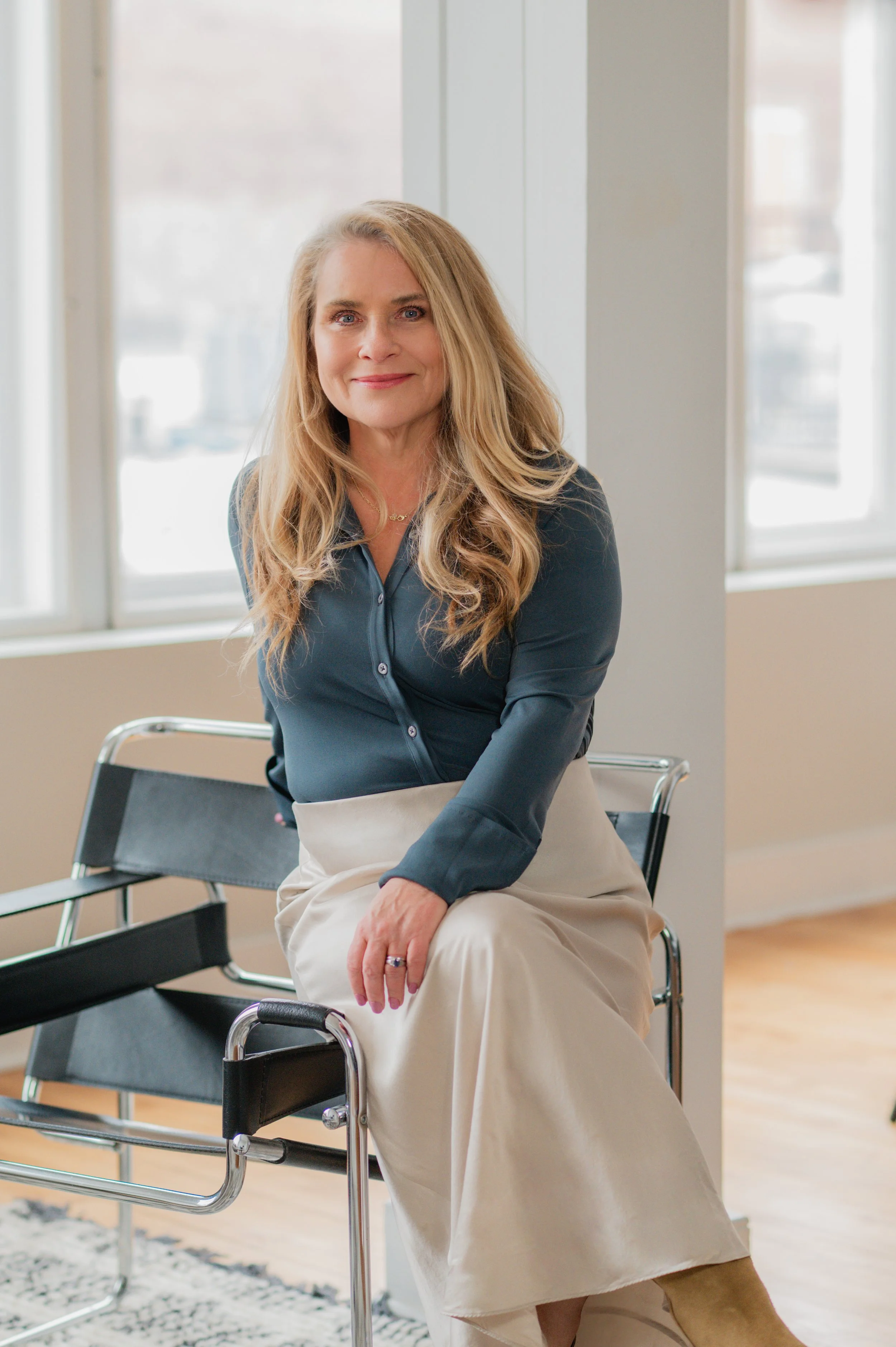
I’ve lived inside systems that were supposed to protect people, and I’ve seen how often they miss what matters most.
I’ve been a caregiver. I’ve been a Medicaid mom. I’ve worked inside Medicaid supporting high-risk populations. Across those roles, I saw the same gap: the people closest to someone’s daily life often know when something is wrong, but the system does not see it in time to act.
That gap is where Einra began.
Einra is a real-time risk signal layer for Medicaid home- and community-based care. We help caregivers and aides quickly capture meaningful changes in the home, such as falls, missed medications, confusion, or functional decline, so care teams can respond before those signals become emergencies.
In home-based care, the earliest warning signs rarely show up first in claims data or clinical systems. They show up in the home. They are seen by aides, family members, and caregivers who notice when something is off, adjust in real time, and often carry that information alone.
The system depends on their observations, but rarely captures them in a way that leads to timely action.
Einra was built with that disconnect in mind.
Our approach is simple by design. A caregiver or aide can take a few seconds to log a meaningful change. That signal is structured and made visible to the care team, creating an opportunity to respond earlier.
We are testing this through an early pilot focused on frontline usability and workflow fit. We want to understand whether caregivers will use it consistently, whether care teams find the signals actionable, and whether earlier visibility changes how quickly they can respond.
For me, this work is both personal and operational. Einra sits at the intersection of family experience, Medicaid operations, and frontline care.
It is not about adding more noise to healthcare. It is about making sure the right information reaches the right people at the right time, and making sure the people who make that possible are no longer invisible to the system that depends on them.
What happens in the home already matters. The question is whether we are finally ready to act like it does.
About the Author
Jamie Swann, MSN, RN, is the founder and CEO of Einra, a social enterprise focused on helping care teams identify risk earlier through real-time observations from caregivers and frontline workers. A registered nurse and former Medicaid executive, Jamie has spent her career working at the intersection of healthcare operations, care coordination, and health equity.
After witnessing how missed frontline insights often led to avoidable hospitalizations and caregiver burnout, she founded Einra to help make meaningful changes in the home visible before they become crises. Jamie has led Medicaid innovation programs, participated in the Innovation Commercialization Assistance Program (ICAP), and has spoken nationally on technology, equity, and the future of home- and community-based care.
Website: www.einra.co
Company LinkedIn: www.linkedin.com/company/einra
Phone: (540) 761-8785
About Rally
Rally is a civic innovation platform that connects entrepreneurs, institutions, and community partners to test and strengthen solutions addressing real social and environmental challenges. Through workshops, accelerators, partnership opportunities, and ecosystem engagement, Rally helps move promising ideas toward real-world impact.
Learn more at www.rallysea.com.